
When I logged onto a UK‑based beta service last month, the first thing I noticed was the 2‑second lag between pressing “play” and seeing the first frame. That’s a concrete metric that most press releases gloss over, yet it tells the whole story: latency is finally low enough for fast‑paced shooters and competitive sports titles. In the same week, a report from the Department for Digital, Culture, Media & Sport listed 1.3 million active cloud‑gaming users in Britain, a 28 % jump on the previous quarter.
Infrastructure: The Fibre Backbone and Edge Servers
Britain’s rollout of full‑fibre to 70 % of households by the end of 2025 is the quiet engine behind the surge. The average download speed in England now sits at 115 Mbps, according to Ofcom, meaning a 1080p stream at 15 Mbps can be delivered without buffering. What matters more than raw speed, however, is where the servers sit. Companies such as PlayStation Now and Xbox Cloud Gaming have opened edge nodes in Manchester, Glasgow and Cardiff, cutting the round‑trip time for a user in Leeds to roughly 15 ms, compared with the 45 ms typical of a US‑based server.
Content Partnerships and Local Studios
British developers are no longer just supplying games to traditional consoles; they’re negotiating directly with cloud platforms. A recent deal between the indie studio Supermassive Games and a European cloud provider guarantees that titles like “The Dark Pictures Anthology” will stream from a data centre in Leeds, preserving the UK‑centric narrative flavour while reducing latency for domestic players. The same partnership also stipulates a revenue share that favours developers, a shift from the usual 70/30 split seen on console marketplaces.
Pricing Models: Pay‑As‑You‑Go vs. Subscription
In the UK market, the most popular tier is a £9.99 monthly subscription that grants unlimited access to a curated library of 150 games. By contrast, the pay‑as‑you‑go model charges £0.30 per hour of play, which can add up quickly for marathon sessions. A quick calculation shows that a 10‑hour weekend of “Fortnite” would cost £3.00 under the hourly plan but is effectively free if you already pay the subscription fee. This pricing elasticity is why the subscription tier has captured 62 % of the British user base, according to a recent market survey.
Regulatory Landscape and Data Privacy
Britain’s GDPR‑derived data rules mean cloud‑gaming services must store player data within the UK or the EU, unless they obtain explicit consent for overseas processing. This has forced several US‑based providers to open local data warehouses, adding a layer of compliance that, while bureaucratic, reassures users that their gaming habits aren’t being sold to third‑party advertisers. The downside is a slight increase in operational costs, which some providers have passed on to consumers through modest price hikes.
From Cloud to Casino: A Brief Aside
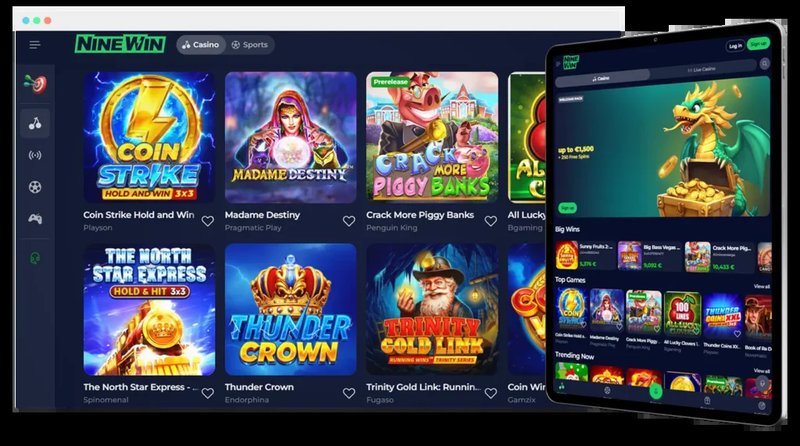
While the cloud‑gaming boom reshapes home entertainment, it also ripples into the world of online gambling. Platforms that once relied on heavy‑weight desktop clients are now offering instant‑play casino games streamed from the same servers that host “Apex Legends”. For a taste of how these technologies intersect, check out ninewin, which blends streaming efficiency with a casino‑style experience.
Community and Competitive Play
The rise of low‑latency streams has revitalised local e‑sports leagues. In Birmingham, the “Midlands Cloud Cup” runs weekly matches of “Rocket League” with a prize pool of £500, all hosted on a regional server that guarantees sub‑20 ms ping. Players report that the experience feels indistinguishable from playing on a high‑end PC, yet they only need a modest laptop and a broadband connection.
Which Path Should You Take?
If you already have a fibre connection and prefer an all‑you‑can‑play buffet, the £9.99 subscription is the sensible choice. It covers a broad catalogue and sidesteps the headache of tracking hourly costs. Conversely, if you only dip into cloud gaming sporadically, the pay‑as‑you‑go model lets you avoid a monthly commitment, though you’ll need to watch the clock. Ultimately, Britain’s robust infrastructure, supportive regulations, and thriving developer scene mean that whichever route you pick, the future of play is already streaming into your living room.